
The Problem with Training Outside the Real Environment
For decades, medical simulation training took place in dedicated simulation centers — purpose-built spaces equipped with manikins, monitors, and controlled environments. While simulation centers remain invaluable, a growing body of evidence points to a powerful complement: training that happens not in a separate facility, but in the actual clinical environment where teams work every day. This is the principle behind in-situ simulation, and it is reshaping how healthcare institutions think about clinical preparedness.
What Is In-Situ Simulation?
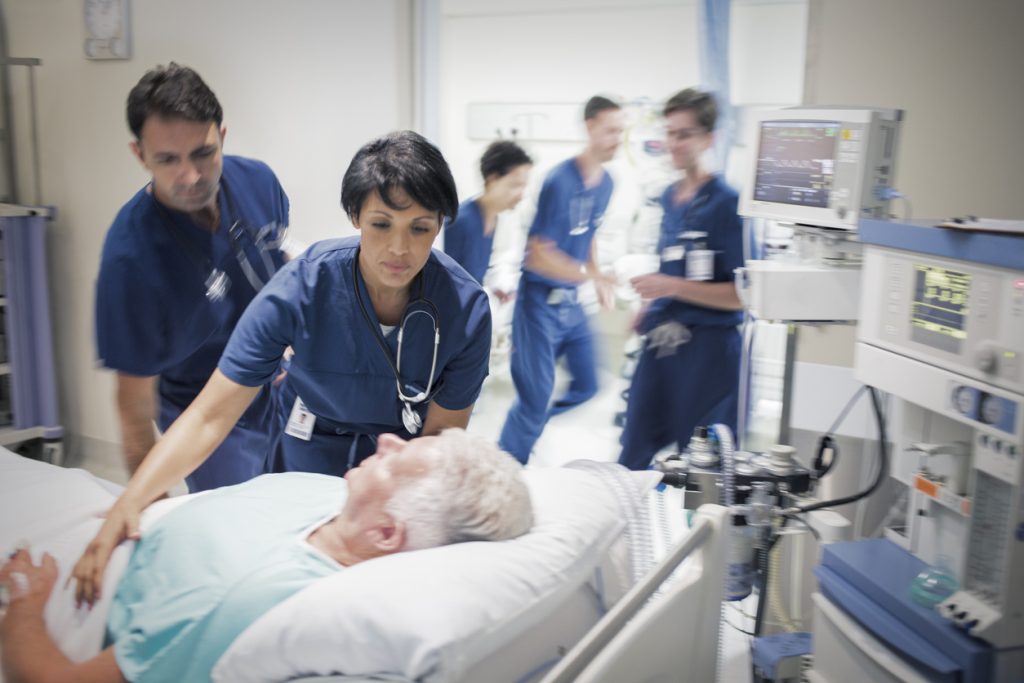
In-situ simulation brings the scenario to the team — not the other way around. Rather than transporting staff to a simulation center, training is conducted directly in the emergency department, ICU, operating theatre, or ambulance bay. The equipment, the layout, the colleagues, the noise, the interruptions — all of it is real. The only thing that is simulated is the patient. This environmental authenticity produces a quality of learning that a simulation center, however sophisticated, cannot fully replicate.
The Hidden Curriculum of the Real Environment
One of the most significant benefits of in-situ simulation is what it reveals. When teams train in their actual workspace, latent safety threats emerge — gaps in equipment availability, communication breakdowns, workflow inefficiencies, and role ambiguities that would never surface in a controlled simulation center setting. In-situ simulation is therefore not only a training tool but a patient safety audit — surfacing system vulnerabilities before they become clinical incidents.
Video Debriefing: Turning Experience into Learning
In-situ simulation is most powerful when combined with structured video debriefing. Recording each session and reviewing it with a skilled facilitator transforms a training exercise into a deep, evidence-based learning event. Participants observe their own communication patterns, decision-making processes, and technical performance — often for the first time — and leave with specific, actionable insights they can apply immediately.
WinMed Medical and In-Situ Simulation in Israel
WinMed Medical designs and delivers in-situ simulation programmes for emergency departments, ICUs, EMS academies, and nursing schools across Israel — bringing expert facilitation, tailored scenario creation, and structured video debriefing directly to our clients’ clinical environments. Because the best training happens where the work actually takes place.
WinMed Medical — Expert in-situ simulation training, delivered where it matters most.